

Stuck right nowHome security
What to do after a break-in: the first 24 hours
A break-in turns an ordinary day upside down. Here is the order to do things in, from the first phone call to a door that locks properly tonight.
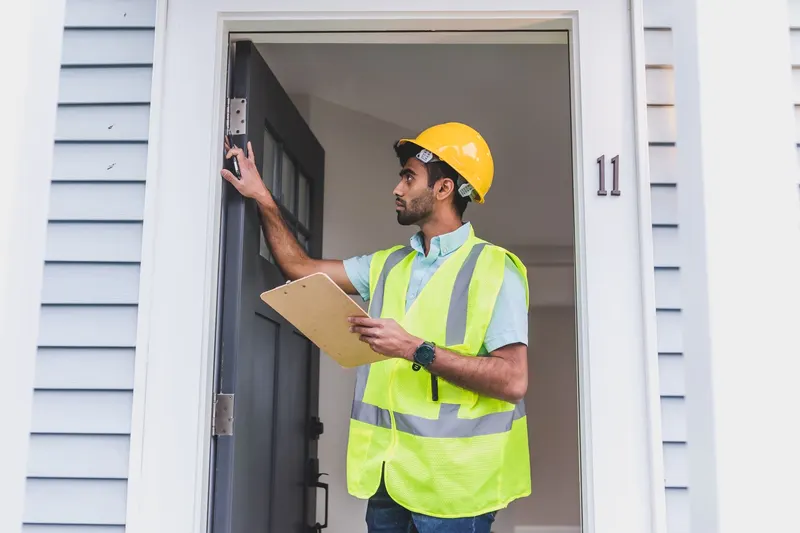
It's a horrible feeling to walk in and find your home has been gone through. Take it one step at a time. Here's the order that helps most.
When do you call 911, and when do you report it another way?
Call 911 if:
- The break-in is happening now.
- You think someone may still be inside. Don't go in to check. Go back to your car or a neighbour's and call from there.
- Anyone is hurt or in danger.
If it's over and everyone is safe, report it to the Winnipeg Police Service. For a break-in to a house, apartment or business, call the non-emergency line at 204-986-6222. Winnipeg police accept online reports for break-ins to garages, sheds, enclosed porches, storage lockers and laundry rooms when there are no known suspects, but not for homes, apartments or businesses (WPS online reporting).
Write down the report number. Your insurer will ask for it.
Outside Winnipeg, in a town or RM served by the RCMP, call your local detachment's non-emergency number, or 911 for anything in progress.
Call 911 first. Don't go in to check; call from your car or a neighbour's.
Why photograph everything before you clean up?
Because once you start putting things back, the evidence of what happened, and of what's missing, starts to disappear. Before you tidy:
- Photograph the way in: the door, the frame, the lock, the window, the pry marks.
- Photograph every room that was disturbed, wide shots first, then close-ups.
- Take video walking through the house. It captures things you won't notice until later.
- Make a list of what's missing as you find it. Add to it over the next few days.
- Keep damaged items. The Insurance Bureau of Canada advises keeping damaged items unless they're dangerous, and checking with your insurer before you throw anything out (IBC).
Photograph the way in and every disturbed room before you tidy, and keep damaged items.
What will your insurer ask for?
Call your insurer, or your broker, as soon as you can. The IBC's guidance on filing a home claim says to report the loss with complete, accurate details as soon as possible (IBC). Expect to be asked for:
- The police report number.
- A list of stolen and damaged items, with receipts, photos or manuals where you have them.
- Photos of the damage.
- Later, a signed proof of loss form if your insurer asks for one.
Keep receipts for cleanup and for any emergency work to secure the house. Every policy is different, so ask your insurer what's covered and what they need from you before you book repairs.
Read this before you try anything else. Not sure? Call and we'll talk you through it.
How do you secure the door tonight?
A forced door usually fails at the frame, not the lock. You'll often see the jamb split around the strike plate, where the bolt sits.
Before night falls:
- Check whether the door still closes and latches. If the frame is split, the bolt may have nothing solid to bite into.
- Check the lock itself. A cylinder that was drilled, pried or twisted needs replacing.
- Secure every other door too, including the door from the garage into the house and the patio door.
- Don't rely on a chair under the handle. If the door won't lock, call for help rather than leave it.
We can fit a new deadbolt, a reinforced strike plate and long screws that reach the framing, so the door locks properly again. A badly split jamb may need part of the frame rebuilt. For a forced door or a damaged lock, see lock change and new deadbolts.
This one is a call, not a fix.
A forced door usually fails at the frame. If it won't lock, call rather than rely on a chair under the handle.
Lock change and new deadboltsWere keys, a garage remote or ID taken?
Look carefully. Thieves often take keys hanging by the door, a spare from a kitchen drawer, the garage remote from the car, or a wallet with your licence. If any of those are gone, every lock they open is compromised, even locks that weren't touched.
- House keys: rekey or replace every lock they open.
- Garage remote: clear the opener's memory and re-pair the remotes you still have. Change the keypad code.
- Car keys: have the stolen key removed from the car's memory.
- A home safe: if they tried it, check it still opens normally. Our guide on a safe that won't open covers what to try first.
The same logic as losing your keys applies, only more urgently. Our guide on whether to change locks after losing keys has the full list of what to reset.
This one is a call, not a fix.
Every lock those keys open is compromised, even ones that weren't touched. Rekey or replace them.
Lock change and new deadboltsHow do you make the door harder to force next time?
Once the immediate repair is done, look at the weak points while they're fresh in your mind:
- A strike plate with long screws into the stud behind the jamb.
- A solid deadbolt that throws its full length into the frame.
- Glass beside the door within reach of the lock.
- Lighting and sightlines at the entrance and the back lane.
We go through each of these in how to secure your front door from break-ins. Higher-security locks are also an option if you want restricted keys that can't be copied at a hardware store.
The free printable covers this, so you can tick it off once and keep it.
How do you look after yourselves afterwards?
A break-in is more than a property problem. People often sleep badly for a while, and kids can be frightened that it'll happen again.
- Let the kids see the house being made secure. Show them the new lock. It helps.
- Tell your neighbours. They may have seen something, have a camera that caught it, or simply keep a closer eye on your place.
- Change passwords if a laptop, phone or tablet was taken, and call your bank if cards were.
- Ask for help if it's weighing on you. That's normal.
The printable after a break-in checklist below puts all of this on one sheet, in order: police, photos, insurance, the door tonight, and every key, remote and code.
Questions people ask
- Should I change my locks after a break-in?
- Replace any lock that was forced or damaged. If keys, a garage remote or anything with your address was taken, rekey or change every lock those keys open as soon as you can. If nothing like that was taken and the locks still work, a sturdier deadbolt and strike plate on the door they used is the better upgrade.
- Can a kicked-in door frame be repaired?
- Often, yes. When the jamb splits around the strike, the damaged section can be repaired or replaced and the lock refitted with a reinforced strike plate and long screws into the framing. A door that was kicked in is a good reason to upgrade the strike, because that is usually where it failed.
- How do I report a break-in in Winnipeg?
- If it's happening now or someone may still be inside, call 911. For a break-in to a home, apartment or business that's over, call the Winnipeg Police Service non-emergency line at 204-986-6222. Break-ins to garages, sheds, enclosed porches and storage lockers with no known suspects can be reported online.
Still stuck? Call, and a person answers.
Open 24 hours, 7 days. Tell us which one it sounds like, or text a photo first.
Lock change and new deadbolts · You approve the price before we start.
Keep reading
All guides Right now
Lost your house keys? Whether to change the locks, and what's quicker
Lost your keys and wondering if you need new locks? One question decides it, and rekeying usually means you keep the locks you have.
 Right now
Safe won't open? Dead battery, lost code or a lock fault
Most safes that won't open have a tired battery, not a broken lock. Here's the order to check things in, how a lost combination is recovered, and when to call a safe technician.
 Plan ahead
How to secure your front door from break-ins
Front doors are usually beaten at the frame, not the lock. Here is where to spend your effort, in the order that makes the biggest difference.