

Stuck right nowGarage doors
How to use the garage door manual release (and when not to)
The red cord on your garage door opener lets you open the door by hand in a power outage. Used the wrong way, it can drop a heavy door. Here is the safe order.
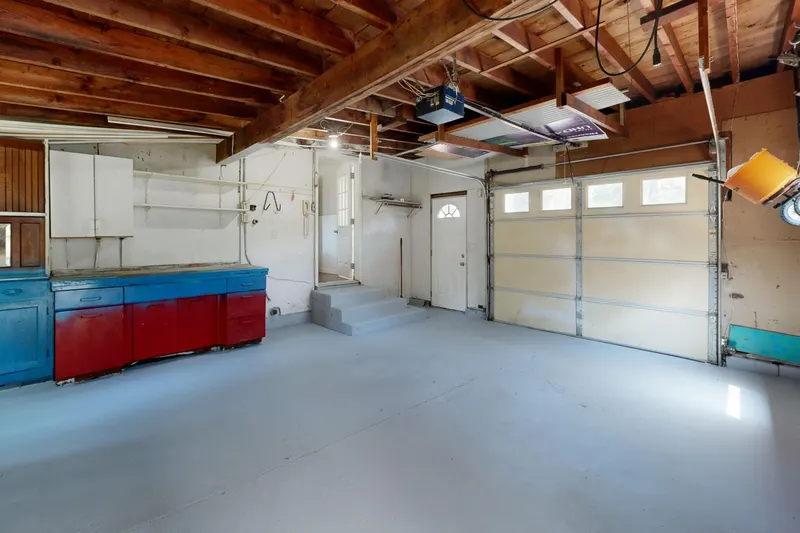
That one cord matters most on the worst days: a power outage on a January morning, an opener that has quit, or a car you need out of the garage before work. Here is how to use it without getting hurt.
What is the manual release on a garage door?
Your opener moves the door through a trolley that rides along the rail on the ceiling. The trolley is clipped to an arm bolted to the top of the door. The manual release, usually a red handle on a cord, unclips the trolley so the door is no longer attached to the motor. Once it's released, the door moves freely by hand, held up only by its springs.
That last part is the whole safety story. The opener never holds the door up. The springs do.
Should I check the springs before I pull the cord?
Yes, always. Look up at the shaft above the door. On most Winnipeg homes that's a torsion spring: a long coil (or two) on a bar across the top of the door. If you see a gap in the coil, or you heard a loud bang earlier, a spring has broken.
With a broken spring, the door can weigh far more than one person can safely hold. If you release the opener and try to lift it, the door can slam down the moment you lose your grip. If a spring looks broken, leave the door closed and call. Our guide to a broken garage door spring shows what to look for.
Other signs to stop, from Chamberlain's own support guidance: the door feels unusually heavy, won't stay open, slams shut, or the springs, cables or rollers look damaged (Chamberlain support).
This one is a call, not a fix.
If a spring looks broken, leave the door closed. A released door with a broken spring can slam down.
Car stuck behind the garage door?Why pull the release with the door closed, not open?
Chamberlain's instructions are blunt: use the emergency release only when the garage door is fully closed, if possible (Chamberlain support). The reason is simple. If the door is open and a spring is weak or broken, pulling the cord removes the only thing holding it up. It can drop fast onto a person, a pet or the car.
If the door is stuck partway open and you can't close it, don't pull the release. Keep everyone clear of the doorway and call.
This one is a call, not a fix.
Don't pull the release with the door open. Keep everyone clear of the doorway and call.
Car stuck behind the garage door?How do I open the garage door by hand?
With the springs looking intact and the door fully closed:
- Clear the doorway. Move people, pets, bikes and the recycling bin out of the way.
- Unlock the door if it has a manual slide lock on the inside.
- Pull the red cord straight down. On some rail openers you pull down and then back toward the opener to keep the trolley unlatched while you work.
- Lift from the bottom section with your hands flat on the door, not in the gaps between panels where fingers get pinched.
- Lift with a helper. A balanced door should rise smoothly. If it fights you, stop and lower it.
- Prop nothing. Don't wedge a shovel or a two-by-four under a door to hold it open. A balanced door should stay put on its own; if yours doesn't, the springs need attention.
Never use the release cord itself to pull the door up or down. It's a release, not a handle.
Only with the door fully closed and the springs intact. Lift with a helper, and if it fights you, stop and lower it.
How do I reconnect the opener afterwards?
Chamberlain's support page describes it this way for its common rail openers: reset the release (pull the cord toward the opener, or straight down, depending on the rail type), then run the opener through a cycle. The trolley reconnects on its own as it travels. If it doesn't catch the first time, run another full cycle (Chamberlain support).
Other brands work in a similar way, but the motion differs, so keep the manual (or the model number) handy. After a power outage, also check:
- The opener's lights and wall button respond.
- The safety sensors near the floor show steady lights. If the door now refuses to close, our guide on why a garage door won't close covers the sensor checks.
- Remotes and the keypad still work. Some need a fresh battery after a cold snap.
Reset the release as your opener's manual shows, then run a full cycle so the trolley clicks back on.
What if the release is stuck or the cord is missing?
A release that won't let go usually means the door is putting pressure on the trolley, often because it's frozen to the floor or binding in the track. Don't hang off the cord. Check that the bottom seal isn't frozen to the concrete, and that nothing is jammed in the tracks.
If the cord has snapped or was removed, the release lever is still on the trolley, but it sits high and close to the moving parts. Reaching it means a ladder beside a door that may be under tension. That's a good moment to call rather than improvise.
Don't hang off the cord. Check the seal isn't frozen to the floor. If the cord is gone, call rather than climb a ladder beside the door.
Can a garage door be released from outside?
Some doors have a small keyed lock on the outside, near the top panel. Chamberlain describes it as an exterior emergency release: turning the key and pulling the lock disconnects the opener so the door can be lifted by hand. It doesn't lift the door for you. If your garage has no exterior release and no other way in, you can't operate the door from outside during a power outage (Chamberlain support).
The inside release is also a weak point for break-ins, because a hook pushed through the top of the door can sometimes catch it. We cover that in how to stop garage break-ins. The short version: protect the release, but never disable it. You need it in an emergency.
Read this before you try anything else. Not sure? Call and we'll talk you through it.
When should you call instead?
Call when:
- A spring is broken, or you're not sure.
- The door is stuck partway open.
- A cable has come off the drum or is hanging loose.
- The door is crooked in its tracks or a roller has popped out.
- Your car is inside, you need it now, and the door won't lift safely.
That last one is the classic Winnipeg cold-morning call. If you're in that spot, see car stuck behind the garage door. We'll talk you through what's safe to try while you wait, and we handle the spring, cable or opener problem that caused it.
Before winter, the printable garage door checklist below walks you through a balance test and a release check in about ten minutes, so you know your door works by hand before you need it to.
Questions people ask
- How do I open my garage door during a power outage?
- With the door fully closed, pull the red emergency release cord that hangs from the trolley on the opener rail. That disconnects the door from the opener, and you can lift it by hand. If the door feels very heavy or won't stay up, stop: the springs may be broken.
- How do I reconnect my garage door opener after using the release?
- On many Chamberlain and LiftMaster rail openers you pull the cord toward the opener or straight down to reset the release, then run the opener through a cycle and the trolley clicks back onto the door. Check your opener's manual, because the exact motion varies by model.
- Is it safe to open a garage door with a broken spring?
- No. The springs carry most of the door's weight. With one broken, the door can be far heavier than you expect and can fall as soon as you let go. Leave it closed and call for help.
Still stuck? Call, and a person answers.
Open 24 hours, 7 days. Tell us which one it sounds like, or text a photo first.
Car stuck behind the garage door? · You approve the price before we start.
Keep reading
All guides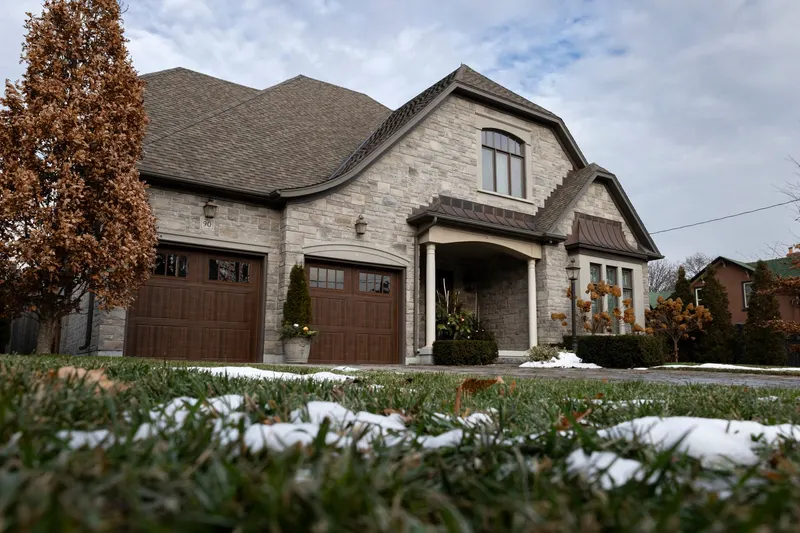 Plan ahead
The best garage door for a Winnipeg winter: insulation, R-value and seals
Shopping for a garage door that copes with a prairie winter? Here is what actually keeps the cold out, how to read R-value and U-factor, and when an old door is done.
 Right now
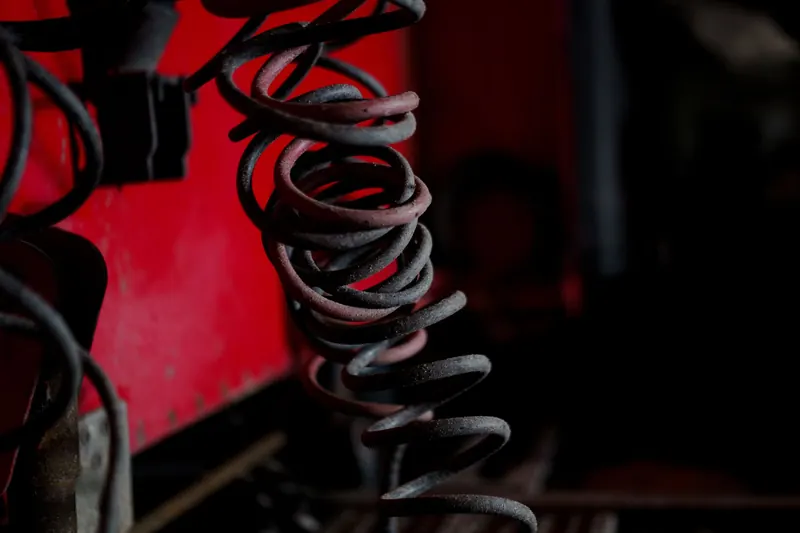
Broken garage door spring: how to tell, and what not to touch
A broken spring is the garage door problem you should never fix yourself. Here is how to recognise one, and what to do while you wait.
 Right now
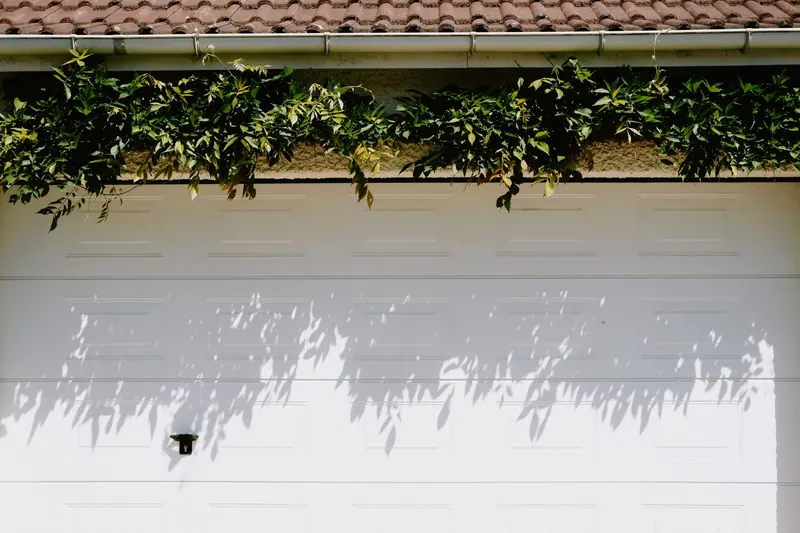
Garage door opener not working? Check these first
Most dead openers come down to a handful of simple causes. Work through them in order before anything gets taken apart.