

How to stop garage break-ins in Winnipeg
Most garage break-ins use an easy way in: a side door, a remote left in the car, or the emergency release. Here is how to close each one.
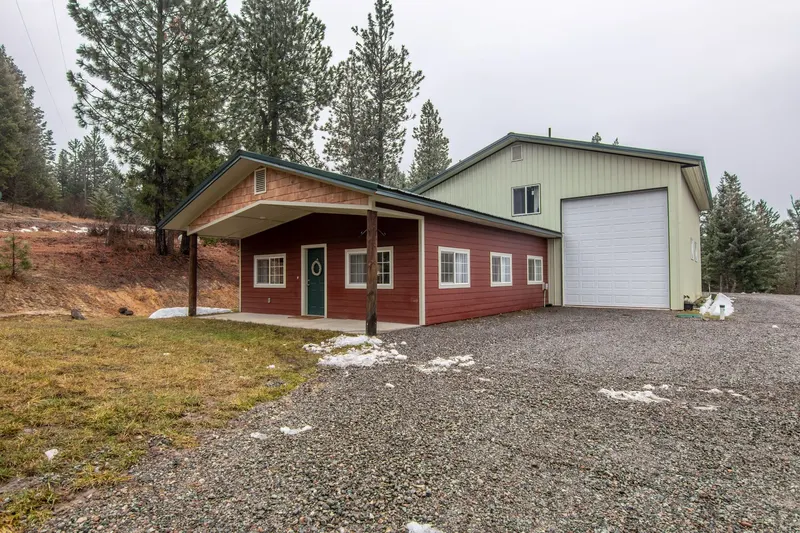
In Winnipeg the garage often holds more value than people think: bikes, tools, the snow blower, hockey bags, and sometimes the keys to the car parked inside. Detached garages off a back lane are out of sight from the house, which is exactly why thieves like them.
What do Winnipeg police say about garages and sheds?
The Winnipeg Police Service put out a release in November 2024 called "Lock Down Your Sheds, Garages, and Outbuildings" (WPS news release). Its advice, in short:
- Lock every way in, and check that each one is actually secure.
- Put blinds or curtains on garage and shed windows so people can't see what's inside.
- Consider video cameras, which can discourage thieves and help identify them.
- Add motion-activated lights.
- Keep car and recreational vehicle keys in a secure spot inside the house, not in the garage.
The same release asks people to report property theft even if it seems small. Winnipeg police accept online reports of a break and enter into a garage, shed, enclosed porch or storage locker when there are no known suspects (WPS online reporting). If someone may still be there, call 911.
Why is the garage side door usually the weak point?
The overhead door is big and heavy and, when it's closed and locked, hard to force quietly. The side door is a standard house door, often a hollow or lightly built one, with a knob lock and a short strike plate held by short screws into a thin jamb. A firm kick or a pry bar beats it in seconds.
To harden it:
- Add a deadbolt with a bolt that throws fully into the frame.
- Upgrade the strike plate and fix it with long screws that reach the framing behind the jamb, not just the trim.
- Check the hinges. Outswinging doors with exposed hinge pins can be lifted off; security pins or set screws stop that.
- Lock it every time, including the door from the garage into the house.
If your side door needs a new deadbolt, that's a lock change we can look after while we're there for the garage. The same frame-first thinking applies to your front door, covered in how to secure your front door from break-ins.
Call or text and a person answers, 24 hours, 7 days. You approve the price before we start.
How does the release-cord trick work, and how do I stop it?
The emergency release on your opener is a red handle on a cord hanging from the trolley. Pull it, and the door is disconnected from the motor. Thieves know this. By pushing the top of the door inward and slipping a bent wire through the gap at the top seal, someone can sometimes hook the cord or the release lever and pull it. Then the door lifts by hand.
You can't remove the release. You need it in a power outage, and in an emergency it's how people get out. What you can do:
- Fit a release guard. A guard on the trolley or door arm can block a hook coming over the top of the door while leaving the cord working from inside. Ask a garage door technician to fit one that suits your opener.
- Don't tie off or cut away the release. A zip-tied release may stop a thief, but it can also stop you in an emergency.
- Cover windows in the top panels so nobody can see the cord to aim at it.
- Keep the door seal tight. A worn or loose top seal and a flexible door give a hook more room.
After any change, pull the release once with the door closed to check it still works from inside.
Are remotes in parked cars and keypad codes a risk?
Yes, and they're the easiest to fix.
- Don't leave a garage remote clipped to the visor of a car parked outside. A broken car window turns into an open garage, and often an open door into the house.
- Use a keychain remote you carry with your keys, or the opener's phone app if it has one.
- Change the keypad code when you move in, after work by contractors, and any time a code has been shared widely. Avoid the house number, birthdays and 1234.
- Reprogram or delete lost remotes. If a remote goes missing, clear the opener's memory and re-pair the ones you still have. Your opener's manual shows how.
Can I lock the overhead door itself?
Many sectional doors have a manual slide lock or a T-handle lock that throws a bar into the track. When you're away for a few days, or at a cottage at Gimli for the weekend, use it.
A few cautions:
- Never run the opener with the manual lock engaged. The motor can strain or bend the door.
- A frozen slide lock can stick in winter; work it now and then so it doesn't seize.
- If your door has no lock, a garage door technician can add one suited to the door.
Many opener wall buttons also have a lock or vacation feature that stops remotes from working while it's on. Check your wall control for a lock button or symbol.
Do lights and timers really help?
Yes. The WPS release lists motion-activated lights, and they're inexpensive to add to a back lane garage. Combine them with:
- A light on a timer inside the garage when you're away.
- Trimmed shrubs and fence lines so the side door isn't hidden.
- A neighbour who knows you're gone and will mention a strange vehicle in the lane.
And make sure the door actually closes. A door that reverses and sits open all night is the easiest break-in of all. If yours keeps bouncing back up, see why a garage door won't close.
What if your garage has already been broken into?
Report it, photograph the damage before you tidy, and secure the way in that night. Then think about keys: if a house key, a car key or a remote was taken, every lock that key opens needs attention. Our guide on what to do after a break-in walks through the first 24 hours.
If your overhead door won't lock, closes crooked, or the side door won't latch properly after someone forced it, we handle garage door locks and repairs. See garage door locks and repair.
The move-in lock checklist below is also a quick way to audit the garage: every door, every key, every remote and every code.
Questions people ask
- Can someone open my garage door from outside?
- Sometimes. The common ways are a remote taken from a car parked outside, a keypad code that's easy to guess, or a wire hook pushed through the top of the door to catch the emergency release. Each one has a simple fix.
- How do I secure my garage door emergency release?
- Keep the release working, because you need it in a power outage or emergency. Ask a garage door technician about a guard that stops a hook from reaching the release lever from outside, cover any windows in the top panels, and use the opener's lock feature when you're away.
- Should my garage side door have a deadbolt?
- Yes. The side door is often the weakest door on the property, and many have only a knob lock. A deadbolt with a proper strike plate fixed with long screws makes it far harder to force.
Ready to sort it? Call or text.
Open 24 hours, 7 days. Text a photo first if that is easier.
Garage door locks and repair · You approve the price before we start.
Keep reading
All guides Plan ahead
The best garage door for a Winnipeg winter: insulation, R-value and seals
Shopping for a garage door that copes with a prairie winter? Here is what actually keeps the cold out, how to read R-value and U-factor, and when an old door is done.
 Right now
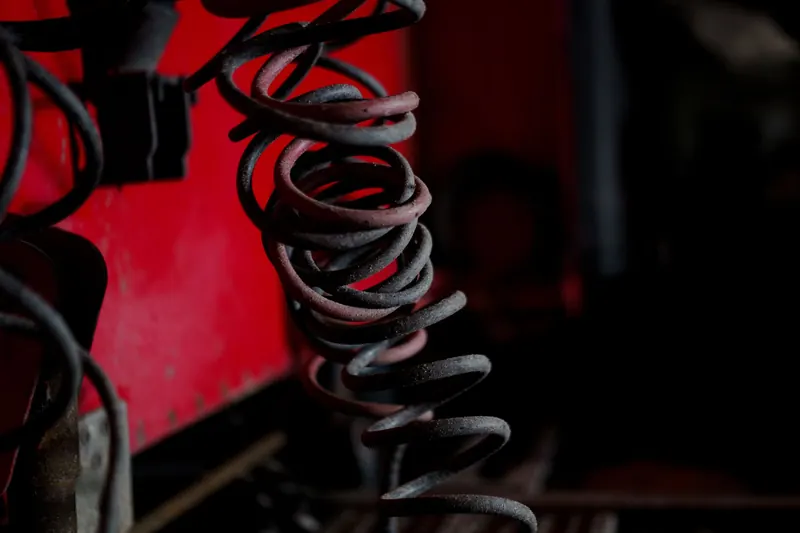
Broken garage door spring: how to tell, and what not to touch
A broken spring is the garage door problem you should never fix yourself. Here is how to recognise one, and what to do while you wait.
 Right now
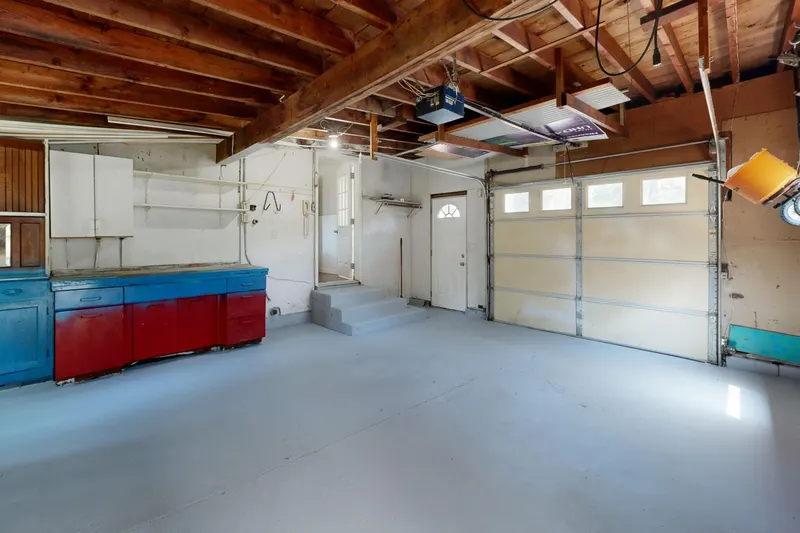
How to use the garage door manual release (and when not to)
The red cord on your garage door opener lets you open the door by hand in a power outage. Used the wrong way, it can drop a heavy door. Here is the safe order.