

Rekey or replace your locks? A simple way to decide
Rekeying and replacing both make old keys useless. Which one you need depends on the state of your locks and what you want from them.
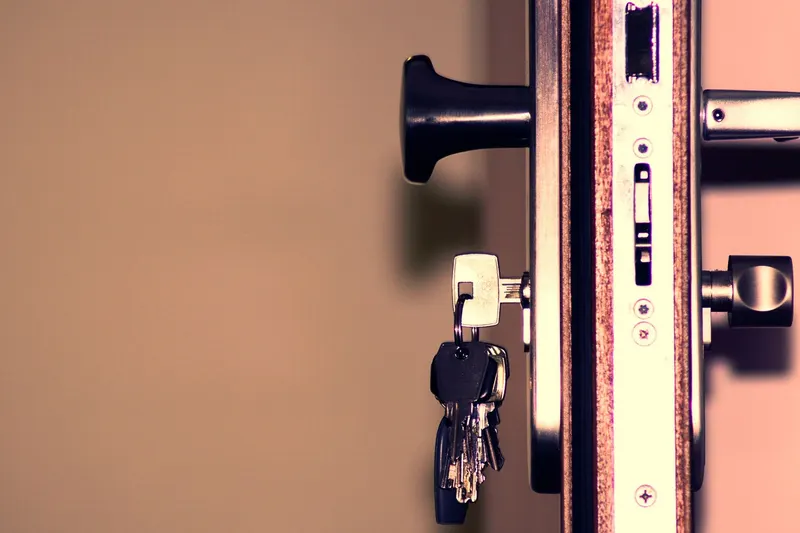
If you've just bought a house in Charleswood or moved into a rental in Osborne Village, the natural first question is "Do I need new locks?" Usually, no.
What does rekeying actually do?
Inside a standard house lock is a cylinder with a row of small pins of different lengths. Your key lifts each pin to exactly the right height so the cylinder can turn. Rekeying means taking the cylinder out, swapping those pins for a new set that matches a new key, and putting it back.
The result:
- The lock, handle and deadbolt stay on your door.
- The new key works.
- Every old key, including the ones you never got back from the previous owner, the dog walker and the contractor, stops working.
Nothing about the lock's strength changes. Rekeying is about who has a working key, not about how hard the lock is to force.
When should you rekey?
Rekey when the hardware is fine and the problem is the keys:
| Situation | Rekey | Why |
|---|---|---|
| You just took possession of a house | Yes | You don't know who has copies |
| A tenant moved out | Yes | Former tenants and their guests may have keys |
| You lost keys that could be linked to your home | Yes | The lost keys stop working |
| A roommate or partner moved out | Yes | Their key stops working, the locks stay |
| You want one key for every door | Yes, if keyways match | Compatible locks can be keyed alike |
| A contractor or cleaner no longer needs access | Yes | Quick way to end old access |
Renting? In Manitoba, a landlord or a tenant "shall not, except with the other's consent, change or interfere with a lock" that secures a rental unit, and neither may withhold consent unreasonably (The Residential Tenancies Act, s. 53(2)). Ask your landlord first.
If you've lost keys and you're not sure it's worth it, our guide to whether to change locks after losing keys walks through the one question that decides it.
Call or text and a person answers, 24 hours, 7 days. You approve the price before we start.
When should you replace the lock instead?
Replace when the lock itself is the problem:
- It's damaged. Forced, kicked, drilled or bent after a break-in attempt.
- It's worn. The key sticks, the deadbolt drags, the handle wobbles, or you have to lift the door to lock it. Some of these are door alignment issues, but a lock that's tired from decades of Winnipeg winters often is just done.
- It's frozen or corroded. A cylinder that seizes every cold snap, especially on a door exposed to wind and salt.
- You want an upgrade. A sturdier deadbolt, a keypad or smart lock, or a high-security cylinder with restricted keys.
- It's a mismatch. One odd brand or keyway that can't join the others on one key.
If security is the reason, remember that the frame usually fails before the lock does. Our guide on how to secure your front door from break-ins covers the strike plate and screws that matter more than the lock's brand.
Can I have one key for all my doors?
Yes, in most homes. It's called keyed alike: your front door, back door, side door and the door from the garage into the house all open with one key. It's one of the most popular reasons people rekey after a move.
The catch is the keyway, the shape of the slot the key slides into. Different brands, and sometimes different product lines, use different keyways. Locks with compatible keyways can be rekeyed to one key. A lock with a different keyway may need its cylinder or the lock replaced to join the set. We'll check each door and tell you which.
Can old locks be rekeyed?
Most can. An older lock of a common brand with a standard pin tumbler cylinder rekeys the same way as a new one. Where it gets harder:
- Very worn cylinders, where the pins and the plug are so worn a new key won't run smoothly.
- Discontinued or unusual locks, where pins or parts are hard to find.
- Damaged locks, which should be replaced anyway.
An older lock in good condition is often worth keeping, especially on a character home where the hardware suits the door.
Is rekeying less work than replacing?
Usually. Rekeying involves less hardware: the lock stays on the door and only the pins in the cylinder change, so there's no new handle or deadbolt to buy and fit. Replacing means new locks and fitting them, and sometimes adjusting the door or strike to suit.
That's why, when the locks are in good shape, rekeying is the answer we suggest first.
What about landlords with several units?
The same logic applies, multiplied. Rekeying between tenants is the routine, and keeping a key log saves headaches later. Our guide on rekeying between tenants lays out the turnover steps for Manitoba landlords.
What's the quickest way to decide?
Ask two questions at each door:
- Does the lock work smoothly in all weather? If no, replace it.
- Do I know everyone who has a key? If no, rekey it.
If the answers are "yes" and "no", you need a rekey. If you're ready to book, see rekey your locks. Bring every key you have, decide whether you want one key for all the doors, and we'll take care of the rest at your door.
The printable move-in lock checklist below walks you through every door and every key in about ten minutes.
Questions people ask
- Is it cheaper to rekey or replace locks?
- Rekeying usually involves less hardware, because the lock stays on the door and only the pins inside the cylinder change. Replacing means new locks as well as the labour. If your locks are in good shape, rekeying is normally the smaller job.
- Can you rekey any lock?
- Most standard pin tumbler locks on houses can be rekeyed. Some very worn, damaged or unusual locks can't be, or parts for them are no longer made, and then replacing is the better answer. We'll tell you which at the door.
- Can I have one key for all my doors?
- Usually, yes. If your exterior locks share a compatible keyway, they can be rekeyed to work with one key, which is called keyed alike. If one lock is a different brand or keyway, that lock may need replacing to join the set.
Ready to sort it? Call or text.
Open 24 hours, 7 days. Text a photo first if that is easier.
Keep reading
All guides Plan ahead
Can a landlord or tenant change the locks in Manitoba?
In Manitoba, neither side can change the locks on a rental without the other's consent. Here's what s. 53 of The Residential Tenancies Act says, and where to go if you disagree.
 Plan ahead
Rekeying between tenants: a turnover routine for Manitoba landlords
Every rental turnover should end with a rekey and a counted set of keys. Here's a simple routine for Winnipeg landlords, from the key return to the new tenant's first night.
 Plan ahead
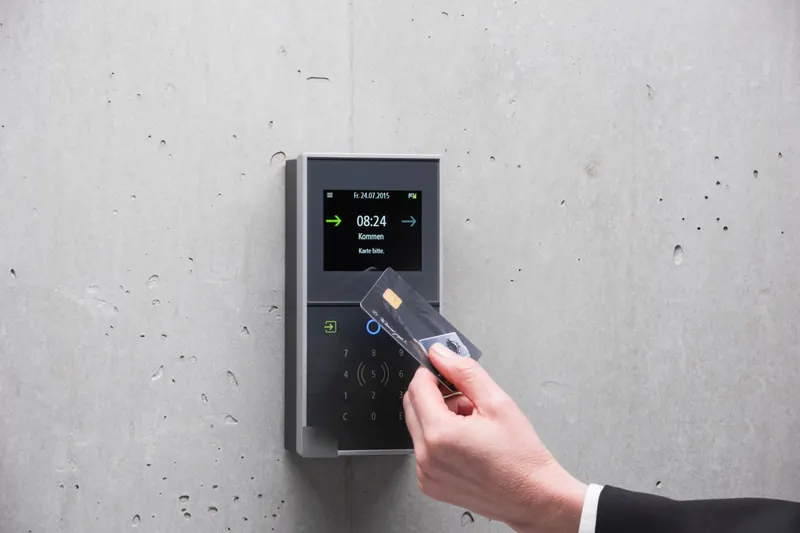
Keys or fobs? Choosing access control for a small business
Cards, fobs and codes can be switched off the moment someone leaves, and they record who opened which door. Here's what a small business system involves and where to start.