

Rekeying between tenants: a turnover routine for Manitoba landlords
Every rental turnover should end with a rekey and a counted set of keys. Here's a simple routine for Winnipeg landlords, from the key return to the new tenant's first night.
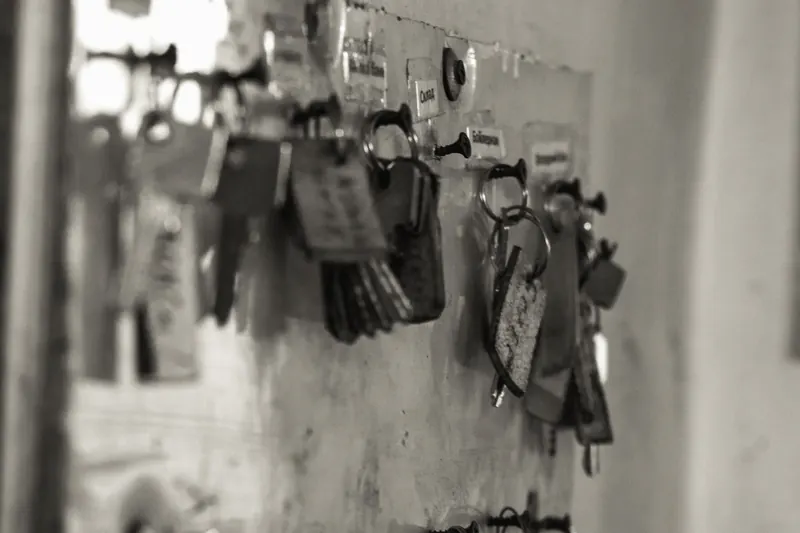
Here's a turnover routine that works whether you own one side of a duplex in St. Vital or manage a few dozen suites around Osborne Village.
Why does every turnover need a rekey?
Because you never know how many copies of the old key exist. A tenant who lived in a unit for three years may have cut keys for a partner, a dog walker, a cleaner, a sibling who stayed over Christmas, and a contractor who fixed the dishwasher. Getting two keys back at move-out tells you very little.
A rekey changes the pins inside the lock cylinder so it takes a new key. The hardware stays on the door, the old keys stop working, and the job is quick. If a lock is worn, broken or poor quality, replacing it can make more sense; our guide to rekey vs replace locks covers that choice.
It also matters legally. Manitoba's Residential Tenancies Act, s. 53(1) requires a landlord to "provide and maintain sufficient doors, locks and other devices to make a rental unit reasonably secure." A unit that a stranger can open with an old key is hard to call reasonably secure.
When should I rekey: before or after the old tenant leaves?
After. The right window is:
- After the tenancy has ended and the old tenant has moved out.
- After the key return, so you know what came back and what didn't.
- Before the new tenant gets keys, ideally before move-in day itself.
While a tenancy is running, changing the locks needs the tenant's consent under s. 53(2) of the Act. Our post can a landlord or tenant change the locks in Manitoba explains that rule. If a tenant has left without returning keys or without clearly ending the tenancy, check with the Residential Tenancies Branch before treating the unit as vacant.
In Winnipeg, the busy moving dates bunch up at month-end, and so do turnover rekeys. If you have several units turning over on the same day, book early so the work is done between the move-out and the move-in.
Check with the Residential Tenancies Branch before treating the unit as vacant. Rekey after the tenancy ends and before the new tenant gets keys.
How should I count, label and log keys?
A key log is a single sheet or spreadsheet per unit. It's the difference between knowing and guessing at the next turnover.
| What to record | Why it helps |
|---|---|
| Unit number and lock(s) | So you know which cylinders were rekeyed, and when |
| Keys issued, by type | Unit door, building entrance, mailbox, storage locker, garage |
| Fobs and remotes issued | Building fobs and garage remotes cost time to replace and reprogram |
| Date issued and tenant signature | A record if questions come up later |
| Keys returned at move-out | Compare against what was issued |
| Date of rekey or recode | Proof the turnover was done |
Practical tips:
- Label keys with a code, not the address. A tag that says "Unit 3, 123 Main St" turns a lost key into an open door.
- Store spare keys locked away, not on a hook by the office door.
- Don't forget the small locks. Mailbox, storage cage and shed keys go missing more than unit keys, and they lead to tenant complaints all winter.
The free printable covers this, so you can tick it off once and keep it.
Open the landlord turnover lock checklistCall (204) 285-9677
What about master keys for several units?
If you manage a building or several properties, a master key system lets each tenant's key open only their unit while your key opens all of them. Restricted keyways go further, limiting who can cut copies. That's a bigger conversation than this post, but it's worth having if you're carrying a ring of thirty keys around a building in January.
Read this before you try anything else. Not sure? Call and we'll talk you through it.
What about garage remotes and keypad codes?
They're keys too. At every turnover:
- Collect every garage remote you issued, and clear the opener's memory, then reprogram the remotes you're keeping. Remotes that went missing stop working once the memory is cleared.
- Change the garage keypad code. A former tenant who knows the code can still open the garage, and often the door into the house from there.
- Remove old users from any smart lock or app, and reset codes.
- Deactivate building fobs that weren't returned, if your entry system allows it.
Clear the opener's memory, change the keypad code and remove old users from any smart lock.
What should the new tenant get on move-in day?
A counted, signed-for set, and a plan for when things go wrong.
- One key per adult on the lease for each lock they need. Fewer keys in circulation make the next turnover easier.
- Their signature on the key log, listing every key, fob and remote.
- A reminder of the consent rule: lock changes need the landlord's agreement, and the landlord's need theirs.
- Who to call for a lockout at 2am in February, so they don't search online and call whoever comes up first.
That last point saves landlords a lot of trouble. A tenant who knows who to call is less likely to end up with a damaged door and an argument about who pays for it.
Can one locksmith handle turnovers for me?
Yes. If you'd rather book turnover rekeys, tenant lockouts and lock repairs in one place, with the paperwork done the way you like it, see our page for landlords and property managers. Commercial landlords with storefronts may also find our guide to commercial door lock types useful.
The short version
- Rekey every unit after the tenancy ends and before the new tenant gets keys.
- Keep a key log per unit, with signatures.
- Collect and reset garage remotes, keypad codes and smart lock users.
- Give a counted set and tell tenants who to call when they're locked out.
Questions people ask
- Can I change the locks once the tenant has moved out?
- Yes, once the tenancy has ended and the tenant has moved out, rekeying before the next tenant is good practice. If it's unclear whether the tenancy has really ended, check with Manitoba's Residential Tenancies Branch first.
- Should landlords rekey between tenants?
- Yes. You can't know who the last tenant gave copies to. A rekey makes every old key useless without replacing the lock, and it helps you keep the unit reasonably secure as Manitoba's Residential Tenancies Act requires.
- How many keys should a tenant get?
- Give one key per adult on the lease for each lock they need, record the number, and have the tenant sign for them. Fewer keys in circulation makes the next turnover easier.
Ready to sort it? Call or text.
Open 24 hours, 7 days. Tell us which one it sounds like, or text a photo first.
Landlords and property managers · You approve the price before we start.
Keep reading
All guides Plan ahead
Can a landlord or tenant change the locks in Manitoba?
In Manitoba, neither side can change the locks on a rental without the other's consent. Here's what s. 53 of The Residential Tenancies Act says, and where to go if you disagree.
 Plan ahead
Rekey or replace your locks? A simple way to decide
Rekeying and replacing both make old keys useless. Which one you need depends on the state of your locks and what you want from them.
 Plan ahead
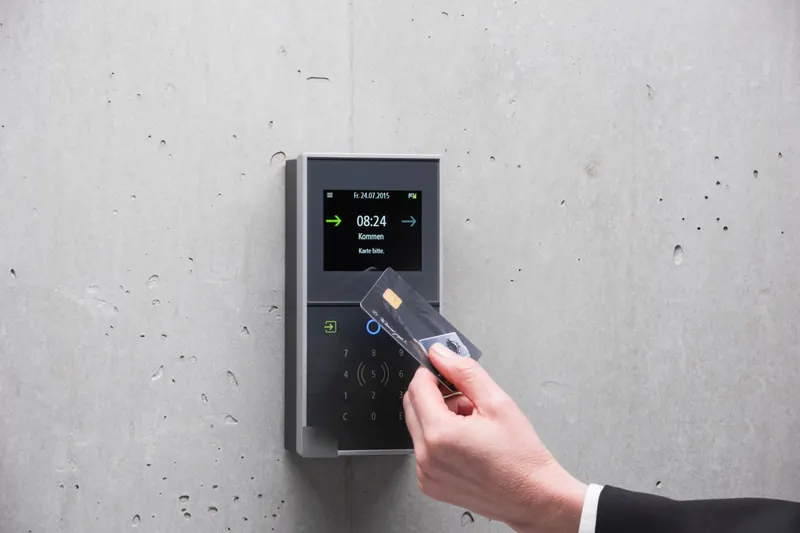
Keys or fobs? Choosing access control for a small business
Cards, fobs and codes can be switched off the moment someone leaves, and they record who opened which door. Here's what a small business system involves and where to start.